Sustainability has become a core focus in Australia’s waste management landscape and Melbourne is leading the charge. From shifting regulations to smarter recycling technologies, the industry is evolving quickly. For a company like 888 Waste, understanding and adopting modern sustainability practices is key to providing responsible, future-proof waste solutions.
In this article, we explore the current sustainability practices shaping waste management today, and what they mean for businesses, households, and the environment.
1. Prioritising Resource Recovery Over Landfill
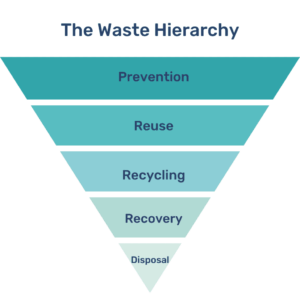
One of the biggest shifts in waste management is the push toward resource recovery diverting reusable materials away from landfill and back into the production cycle.
Key recovery practices include:
- Sorting and separating materials at the source
Encouraging households and businesses to separate recyclables reduces contamination and increases recovery rates. - Recycling construction and demolition waste
Metals, concrete, bricks, timber, and even soil can be processed and repurposed in new projects. - Recovering scrap metals
Metals are among the most recyclable materials, retaining quality even after repeated recycling cycles.
For a waste operator like 888 Waste, these practices mean offering specialised bins, onsite sorting options, or partnerships with recovery facilities to reduce landfill reliance.
2. Embracing Circular Economy Principles
Australia’s waste strategy is steadily moving toward a circular economy, where materials are kept in use for as long as possible through reuse, repair, remanufacturing, and recycling.
Examples of circular solutions:
- Recycled road-base materials made from crushed concrete and brick
- Composting and organic mulch created from green waste
- Recycled plastics re-manufactured into packaging, building products, and outdoor furniture
Supporting the circular economy helps Melbourne businesses cut costs, reduce emissions, and improve environmental performance — all areas where 888 Waste can contribute through appropriate sorting and waste stream separation.
3. Reducing Waste Contamination
Recycling only works when materials are clean and suitable for processing. Contamination — such as food residue, mixed waste, or hazardous materials — is one of the biggest challenges.
Current best practices include:
- Education programs for clients
Clear signage, instructions, and bin labels help customers understand what goes where. - Pre-treatment of waste
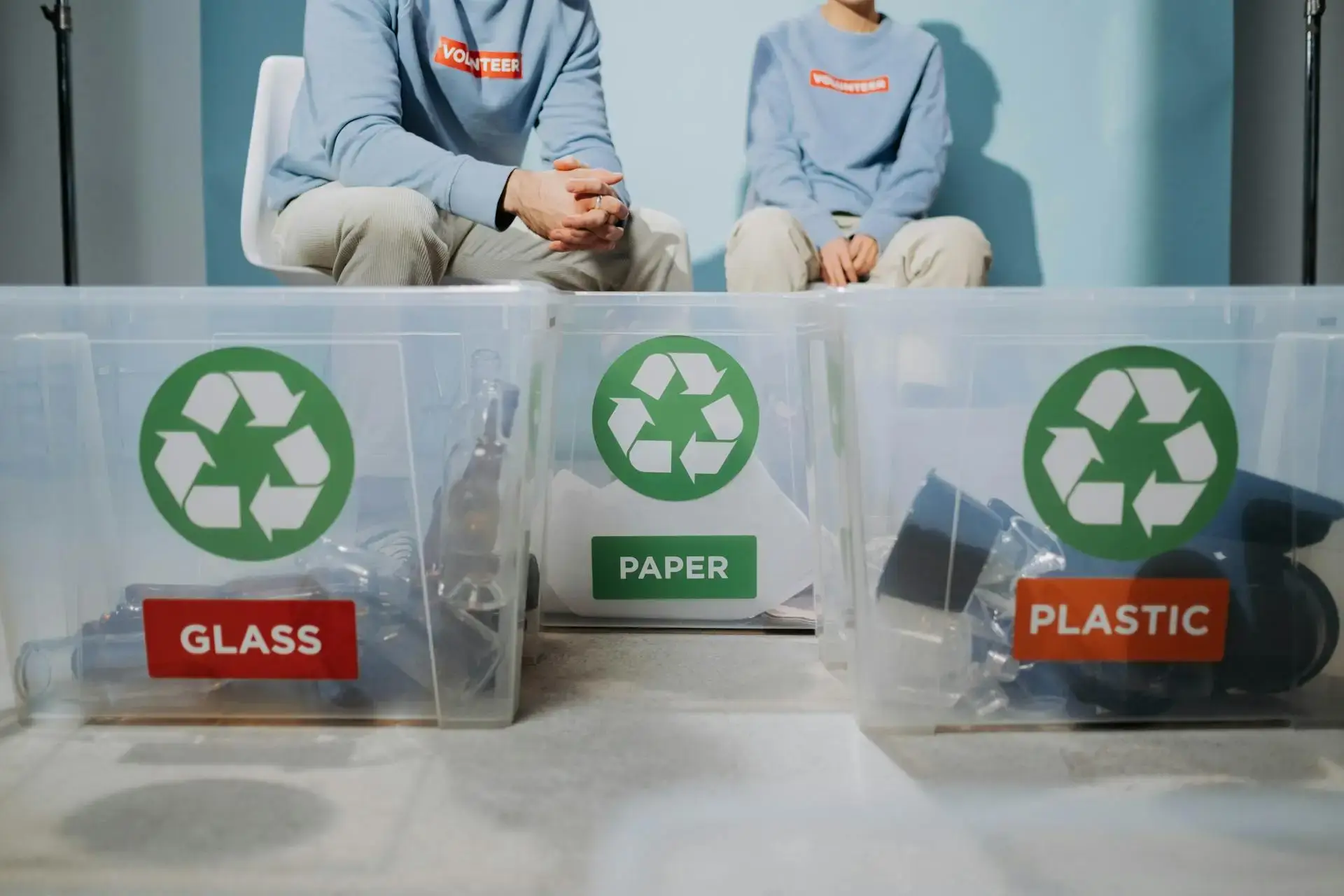
Some waste streams may require early sorting or cleaning before reaching recycling facilities. - Dedicated waste categories
Separate bins for cardboard, metals, timber, soil, and green waste greatly reduce contamination.
This is an area where waste providers like 888 Waste shine, offering guidance and bin types that support cleaner, more efficient recycling.
4. Using Smarter, Greener Transport Systems
Transport contributes significantly to the carbon footprint of waste management. Today, sustainability efforts include:
- Optimised route planning to reduce fuel use
- Modern, lower-emission vehicles and environmentally friendly fuels
- Better compaction techniques, which reduce the number of transport trips needed
888 Waste can adopt or enhance these strategies to cut emissions while keeping operations efficient and cost-effective.
5. Responsible Handling of Hazardous Materials
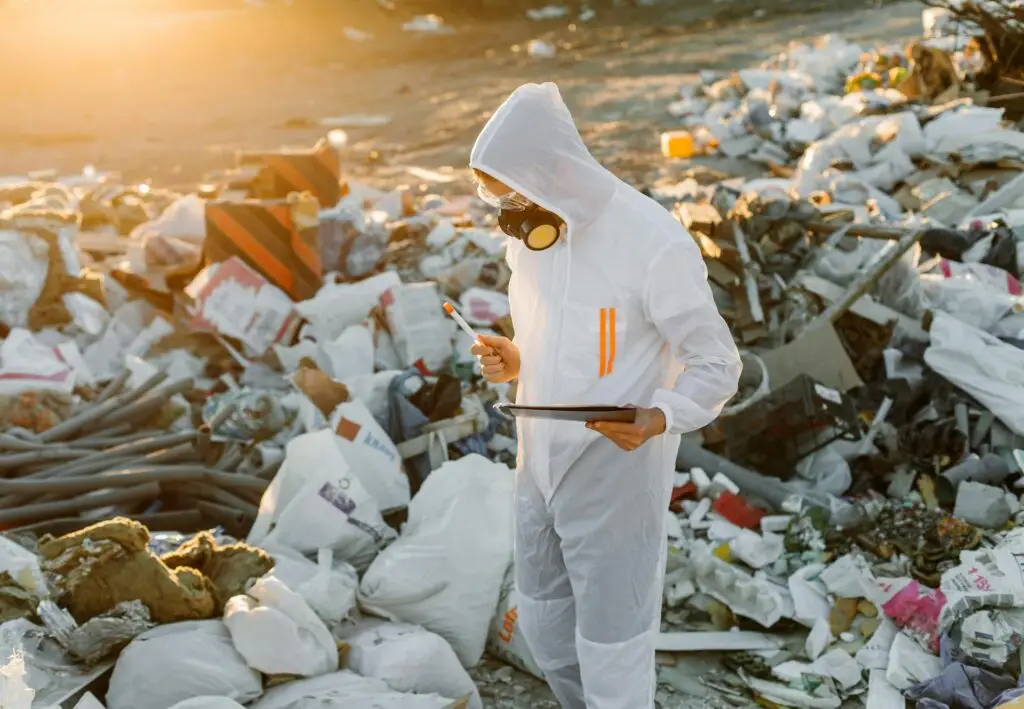
Sustainable waste management isn’t just about recycling — it’s also about safe, ethical disposal of dangerous materials, such as asbestos, chemicals, e-waste, and contaminated soil.
Modern sustainability practices include:
- Following strict Victorian and national guidelines
- Ensuring hazardous waste never enters general waste streams
- Reducing environmental and public health risks through proper containment, labelling, and disposal
For 888 Waste, maintaining high standards in hazardous waste handling is an important part of operating responsibly in Melbourne’s waste industry.
6. Increasing Community Education & Engagement
A truly sustainable waste system requires participation from everyone; businesses, households, and local councils.
Popular strategies include:
- Public campaigns about recycling rules and responsible disposal
- Workshops and online resources explaining best practices
- Partnerships with local organisations to encourage correct waste behaviour
888 Waste can contribute by educating customers, offering sustainable service options, and promoting better waste habits across Melbourne.
7. Moving Toward Digital Waste Tracking
Digital innovation is transforming how waste is monitored and managed.
New sustainability tools include:
- Electronic waste tracking systems, ensuring transparent and compliant disposal
- Digital reporting, giving businesses insight into their waste volumes and recycling rates
- Smart bins and sensors that track fill levels and optimise collection frequency
These systems improve accountability, reduce illegal dumping, and help businesses meet sustainability targets.
Why Sustainability Matters for 888 Waste
Adopting leading sustainability practices delivers benefits on multiple fronts:
- Lower operating costs through improved efficiency
- Greater customer trust through transparent, environmentally conscious services
- Reduced environmental impact and improved compliance
- Stronger competitive advantage as green expectations grow across Melbourne
By embracing modern sustainability trends, 888 Waste can continue providing high-quality waste management services that support healthier communities and a cleaner future.