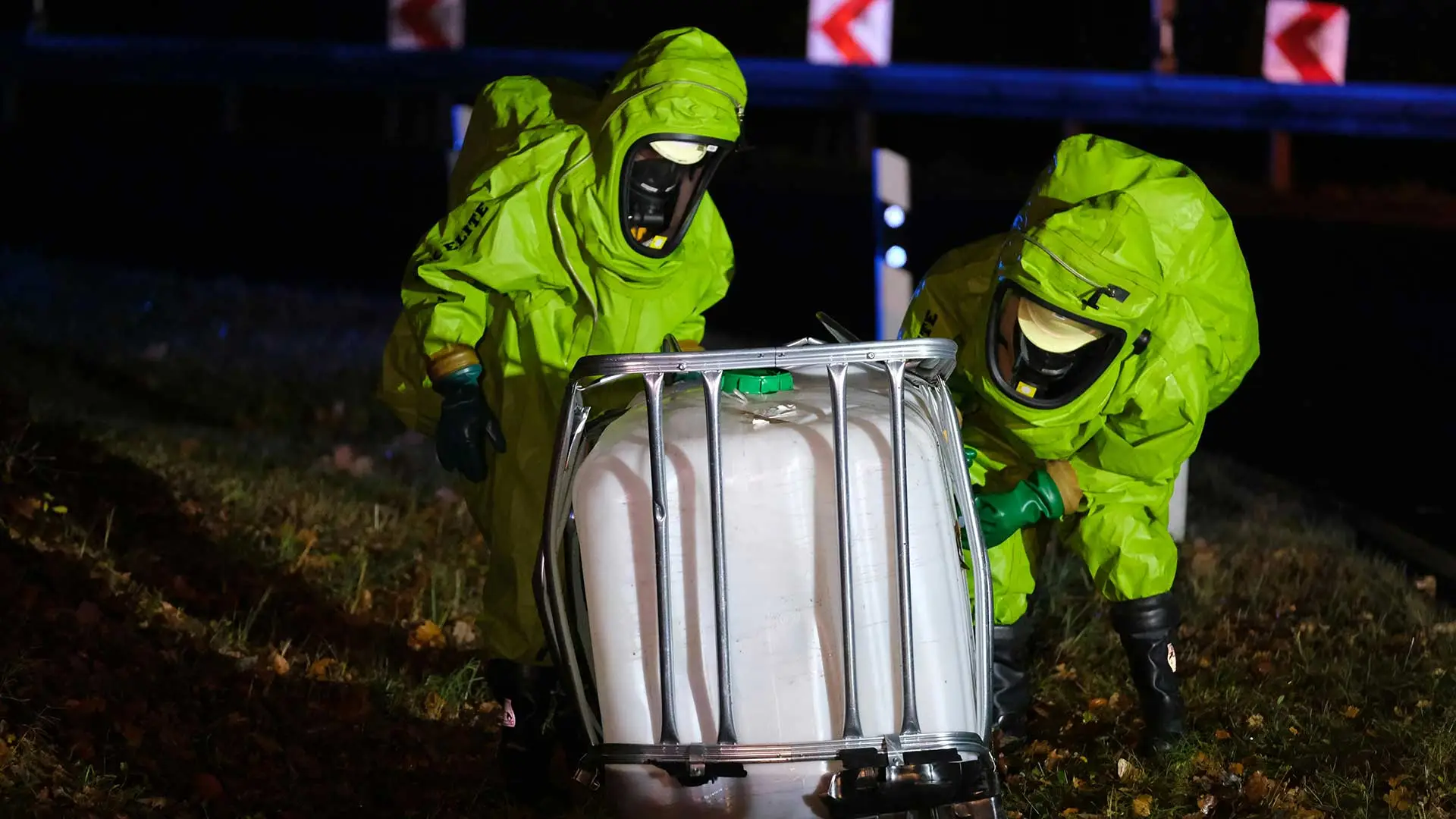
888 Waste is Melbourne’s trusted specialist in hazardous waste collection and disposal. We handle acids, solvents, asbestos, contaminated soils, and more all in strict accordance with EPA regulations. Our trained team uses industry best equipment to ensure every job is completed safely and efficiently.
Our hazardous waste services are trusted by construction companies, industrial manufacturers, government agencies, and commercial facilities across Melbourne.
From the initial discovery call to final EPA compliant disposal, our 8 step process ensures safe, efficient, and transparent waste handling.
Clients receive full documentation and tracking for their records.
Identify the type of specialist waste: e.g., medical waste, chemical waste, electronic waste, asbestos, radioactive waste, etc.
Classify according to regulations: Use local/national legislation (e.g., EPA, EU Waste Framework Directive, or national hazardous waste lists).
Check labeling: Ensure containers are clearly marked with the type of waste and hazard symbols.
Separate from general waste: Specialist waste should never mix with municipal or non-hazardous waste.
Use appropriate containers: Leak-proof, fire-resistant, puncture-resistant, or chemically compatible containers.
Maintain containment records: Track batch numbers, quantities, and origin.
Designated storage areas: Specialist waste should be stored in secure, labeled areas.
Follow safety guidelines: Include ventilation, spill containment, fire prevention, and restricted access.
Time limits: Store only for the legally allowed duration before treatment or disposal.
Use licensed carriers: Only certified companies can transport specialist waste.
Follow proper documentation: Include waste transfer notes, manifests, and transport permits.
Safe handling procedures: Avoid spillage, exposure, or mixing with other waste types.
Choose suitable treatment methods based on waste type:
Chemical neutralization (for acids/bases)
Incineration (for infectious or chemical waste)
Autoclaving (for medical waste)
Recycling or recovery (for e-waste, metals, solvents)
Stabilization/solidification (for heavy metals)
Ensure compliance: Follow local environmental and health regulations.
Final disposal must be safe and legal:
Landfill with appropriate liners for non-recyclable hazardous solids
Controlled incineration with emissions control
Specialized chemical neutralization pits or facilities
Document disposal: Maintain records for audits and regulatory compliance.
Maintain logs: Quantity, type, source, treatment, and disposal.
Regulatory reporting: Submit required reports to environmental authorities.
Audit & review: Regular checks to ensure procedures are followed.
Train staff on hazards, personal protective equipment usage, emergency procedures, and waste handling protocols.
Provide safety equipment: Gloves, goggles, respirators, and spill kits.
Alongside our motor oil disposal service, the team at 888 Waste Management is trained and licensed to provide a range of other waste management services. They include:
If you’re looking for an oil disposal service that can make a difference, then give us a call at 1800 888 927.
Hazardous waste includes anything that poses a risk to people or the environment such as contaminated soils, e-waste, asbestos, biosecurity materials, chemicals, and industrial by-products, among others. If you’re unsure whether your waste qualifies, give us a call and we’ll advise you straight away.
Yes. Whether you need a single urgent collection or a recurring scheduled service, we tailor our approach to your site and operational needs.
Absolutely. Our technicians are fully licensed and operate in accordance with EPA Victoria regulations. Every job comes with proper documentation so you’re covered for compliance reporting.
We assess risks before every job and follow strict handling protocols for each waste type. Our team arrives prepared, works efficiently, and leaves your site clean and safe every time.
It goes directly to a licensed treatment and disposal facility where it’s processed safely and, where possible, recycled. You’ll receive full tracking and reporting records for every collection.