Big Picture: A New Infrastructure & Circular Economy Era in Victoria
The state regulator Recycling Victoria published the first Victorian Recycling Infrastructure Plan (VRIP) in October 2024, a 30-year roadmap for waste, recycling and resource recovery infrastructure across Victoria. This replaces the older statewide plan and guides licensing, planning, and investment.
The VRIP sets clear priorities: boosting recycling and reuse; investing in facilities for glass, plastics (rigid and soft), organics, textiles, e-waste, paper/cardboard, tyres, and more.
The moment is advantageous: as Victoria transitions toward a circular-economy model, there’s growing demand for professional, capable waste management operators who can supply, transport or process waste in line with modern standards.
For a company like 888 Waste operating in metropolitan Melbourne, this new infrastructure wave presents a strategic moment, an opportunity to align with government direction, expand service offerings, and build competitive advantage.
Soft-Plastics & Advanced Recycling: A Major New Opportunity
In September 2025 the state’s regulator EPA Victoria granted a development licence to APR Chemcycle to build Victoria’s first advanced chemical-recycling (ACR) facility for soft plastics (at Rowsley Station Rd, Maddingley).
The new plant will use pyrolysis to convert soft plastics into commercial-grade oil — which can be refined into olefins, reprocessed into polypropylene (PP) resin/film, and ultimately made back into packaging (e.g. snack wrappers). The plant aims to process up to 10 tonnes/day (≈ 3,000 tonnes per year under early plans).
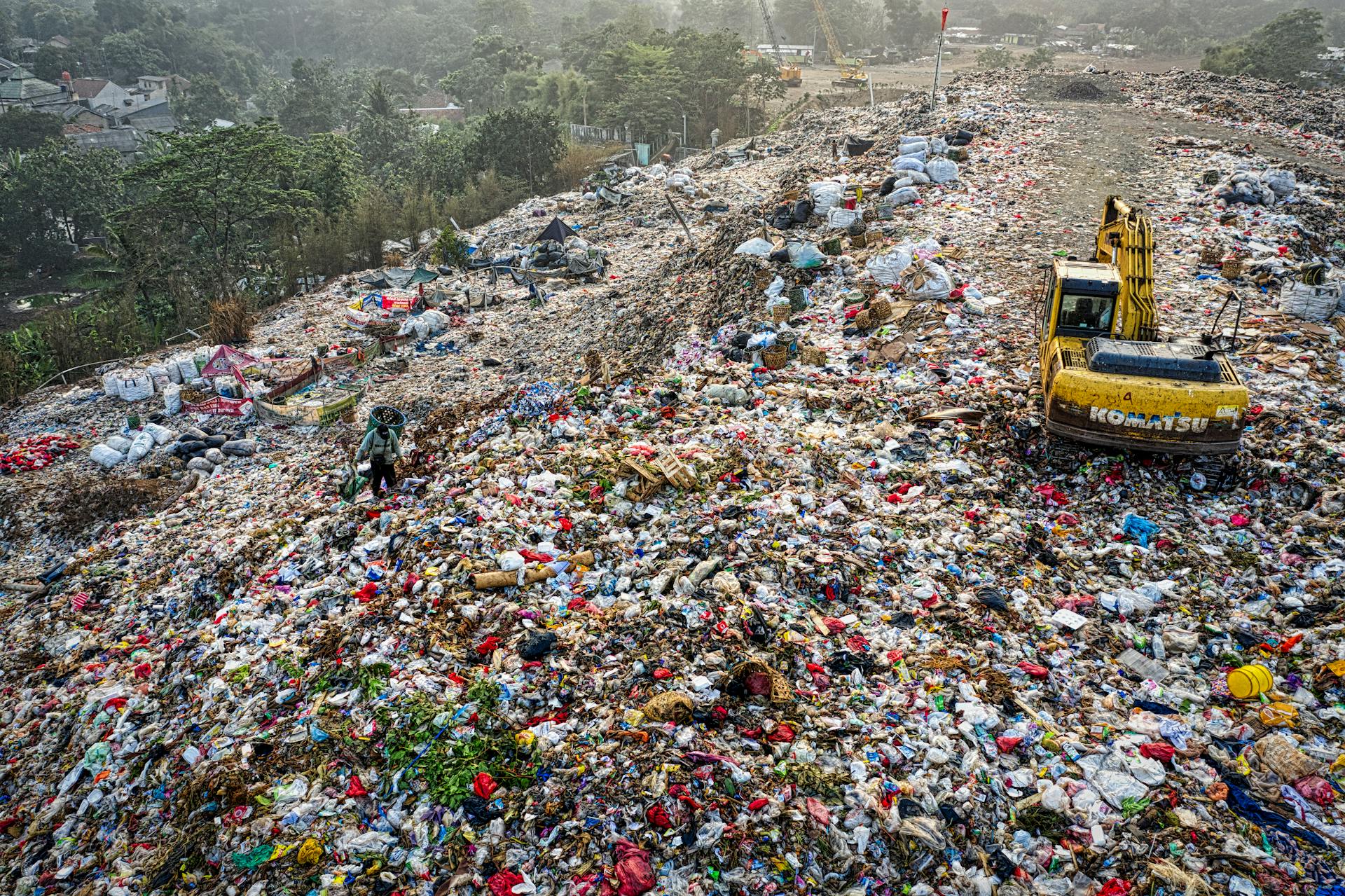
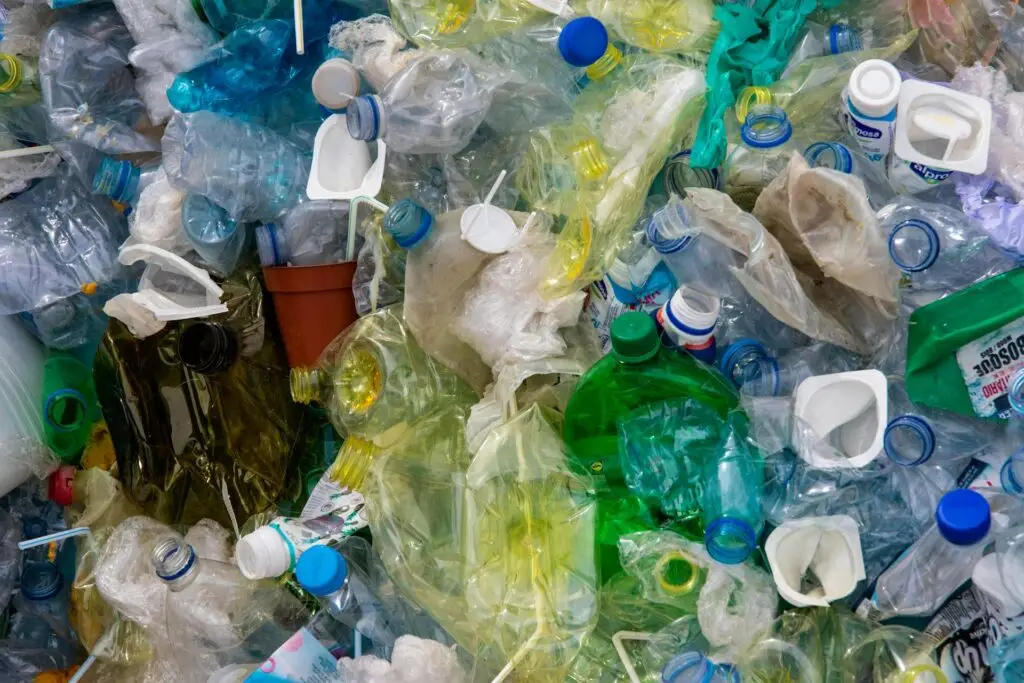
This matters because soft plastics have historically posed a big problem in Victoria: after the collapse of REDcycle in 2022, most soft plastics ended up in landfill. As of 2025, only a small fraction are being recycled or diverted.
The emergence of ACR — alongside mechanical recycling and improved infrastructure — revives a pathway for soft-plastic waste to re-enter the circular economy. That’s potentially a lucrative niche for a firm that can collect, sort, separate, and deliver soft-plastic loads (including from supermarkets, businesses, or mixed-waste streams) to processing partners.
For 888 Waste, this could mean: diversifying into soft-plastic collection/separation, partnering with ACR or recycling plants, or offering premium recycling-compliant services rather than simple landfill disposal.
Waste-to-Energy (WtE) Licensing: Expansion & Caution
In August 2025, Recycling Victoria issued seven new thermal Waste-to-Energy (WtE) cap licences — totalling 2,350,000 tonnes per year permitted waste across the licensees.
The cap under the legislation is up to 2.5 million tonnes per year for thermal WtE, indicating there is still capacity for additional entrants or expansion under future rounds.
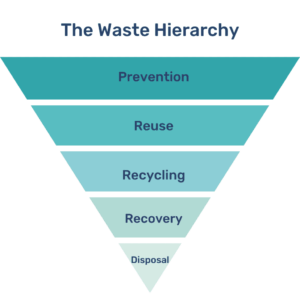
Under the Circular Economy (Waste Reduction and Recycling) Act 2021 and the associated WtE regulations, only “permitted waste” that cannot reasonably be recycled or recovered may go to thermal WtE — reinforcing the hierarchy: avoid → reuse → recycle → energy recovery (as last resort).
The state’s renewed regulatory and licensing clarity makes WtE infrastructure projects more predictable and investable, which could drive more demand for residual-waste collection and supply.
Implication for 888 Waste: If your operations include general waste or residual waste streams (i.e. non-recyclable), WtE offers an alternative disposal pathway beyond landfill, potentially with greater value or lower long-term costs. But you’ll need to ensure compliance with the “permitted waste” definitions, and factor in contractual or transport arrangements to licensed WtE facilities.
Growing Public & Private Investment — Grants, Infrastructure & New Service Types
Through the Recycling Modernisation Fund (RMF) especially the Plastics Technology stream, the federal + state governments continue to inject capital into recycling infrastructure. The RMF aims to close critical gaps in capacity for plastics (rigid and soft), glass, cardboard, organics and more.
A number of recently funded projects across Victoria will significantly expand processing capacity for glass, paper/cardboard, plastics (incl. soft plastics), organics and textiles.
As a result, more clients (households, councils, businesses) will demand modern waste-management services: recycling collection, separated waste streams (soft plastics, organics, glass, e-waste, hazardous waste), and traceability/compliance.
For 888 Waste: this signals rising demand for multi-stream collection services (not just general waste), as well as opportunity to provide value-added services, sorting, pre-processing, transporting to recycling/processing facilities, compliance documentation, and reporting.
Key Risks & Challenges — Regulatory & Market Realities
Although WtE capacity is expanding, the licensing framework emphasizes that recycling and recovery should remain the priority. WtE is considered a fallback for waste that cannot be recovered. Over-relying on WtE could risk misalignment with circular-economy goals.
Demand for soft-plastic recycling remains much greater than current processing capacity. Even with ACR plants, many soft plastics still go to landfill, meaning full circularity is far off and waste management firms may struggle to guarantee recycling outcomes for all waste streams.
Infrastructure build-outs, licensing approvals, and compliance requirements create uncertainties: some WtE projects remain at “feasibility” stage, with final locations and permits pending.
Market conditions: recycled material end markets remain fragile. For chemical recycling, the value depends on demand for recycled resins/plastics. If demand lags, recycled output may struggle to find buyers.
What This Means for 888 Waste — Strategic Opportunities
Given current developments, a waste management business in Melbourne like 888 Waste could position itself to benefit in several ways:
Expand service offering beyond general waste, including collection/separation of soft plastics, organics, glass, paper, e-waste, hazardous waste; acting as a first-mile logistics and pre-processing provider.
Partner with new recycling or WtE infrastructure players. Supply sorted waste streams to facilities like APR Chemcycle (ACR), or licensed WtE operators.
Offer compliance-oriented, transparent waste-tracking services — as regulatory oversight tightens under VRIP and licensing frameworks, companies that can guarantee legal, traceable disposal/recycling may have competitive edge.
Target niche markets; soft-plastics, hard-to-recycle plastics, mixed commercial waste, residual waste, industrial waste. Areas where large operators may not provide specialised service or where smaller, agile firms can compete.
Leverage policy momentum and public funding use subsidies/grants under RMF, or state circular economy initiatives, to modernise fleet, processes, or adopt new sorting/collection systems (e.g. co-collection, separation at source).
Outlook (Next 12–24 Months)
The soft-plastics ACR facility (APR Chemcycle) is likely to become operational, providing a first real pathway to recycle “scrunchable plastics” that could change supply chain dynamics for packaging and waste.
More WtE facilities will likely move from “feasibility” to “planning/approval” — expect growth in residual waste volumes being routed to WtE rather than landfill, increasing demand for waste-collection and transport services.
Government and regulators will continue to incentivise infrastructure investment — possibly resulting in more grants or co-investment schemes, especially for recycling/processing capacity for plastics, organics, textiles, e-waste etc.
Clients (councils, businesses, retailers) will increasingly look for full-service waste solutions: sorting at source, traceability, compliance, especially for “hard to recycle” streams.
Conclusion — A Strategic Inflection Point for 888 Waste
The waste-management sector in Victoria is undergoing a structural transformation, from a landfill-focused model to a diverse, circular-economy, multi-stream, infrastructure-backed ecosystem. For 888 Waste, this transformation presents a strategic inflection point. By adapting early embracing sorting/collection of multiple waste streams (especially plastics), partnering with new recycling or WtE infrastructure, and positioning as a compliance oriented, forward looking waste provider, your company stands to capture growth, diversify services, and gain competitive advantage as Victoria’s waste landscape evolves.