Why Asbestos Waste Management Matters
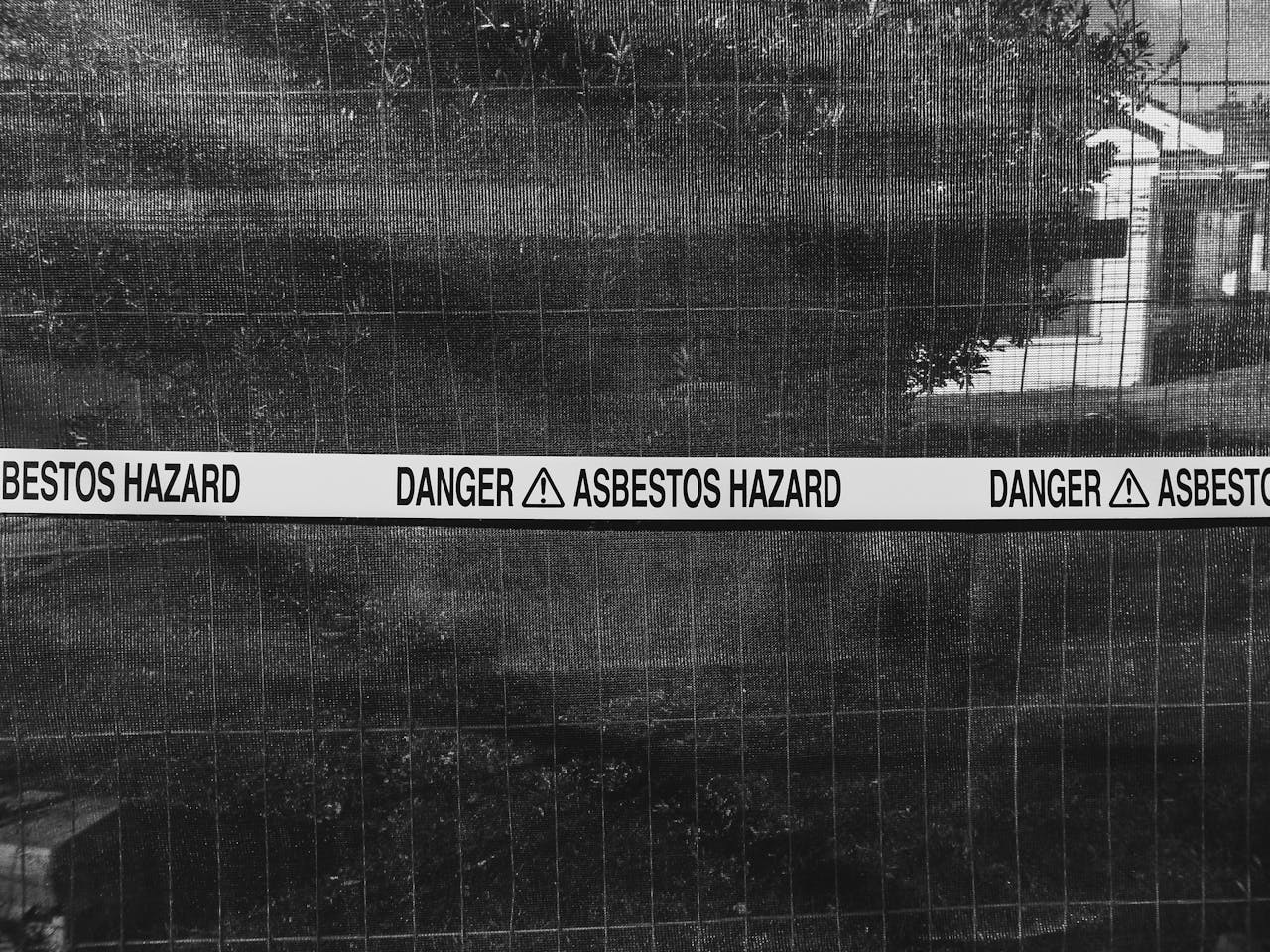
Asbestos is a serious health and environmental hazard. When asbestos-containing material (ACM) is disturbed — during renovation, demolition or waste handling — microscopic fibres can become airborne. If inhaled, they pose significant risks to human health. Improper disposal can also lead to environmental contamination, legal penalties, and reputational harm. Asbestos Safety+2Asbestos Safety+2
For a waste management company operating in Melbourne — such as 888 Waste — adhering to best practices for asbestos waste is not just about compliance, but about protecting workers, clients, and the community.
Key Principles & Legal Requirements in Victoria
- All asbestos waste must only be disposed of at facilities licensed to receive it. It is illegal to put asbestos in general rubbish bins, unapproved skip bins, or dump it in bushland or public spaces. Asbestos Safety+2EPA Victoria+2
- For industrial or commercial asbestos waste, transport must be carried out by licensed removalists/transporters holding the correct permit, using a waste-tracking system (e.g. a “Waste Tracker”), and producing a valid waste record. EPA Victoria+1
- Asbestos-contaminated soil is subject to special regulation: storage must be secure; transport to a licensed landfill; and disposal as soon as reasonably practicable. WorkSafe Victoria+1
- If storing non-friable asbestos temporarily (e.g. under an A22 registration), there are strict limits (e.g. up to 10 m³ double-wrapped waste, storage no more than 60 days, certain site zoning and distance from sensitive land uses). EPA Victoria
Best Practice Steps for Handling Asbestos Waste
Whether you’re 888 Waste managing asbestos waste for clients, or advising them — these are the recommended best-practice steps.
1. Identify & Assess Before Handling
- Never assume a material is safe. Visual inspection alone is insufficient: only laboratory testing (by a suitably qualified, NATA-accredited lab) can confirm the presence of asbestos. Asbestos Safety
- Ideally, have a licensed asbestos assessor or qualified consultant carry out an asbestos survey before work begins — especially for older buildings or sites with renovation/demolition history. Asbestos Safety+1
2. Use Licensed Professionals for Removal & Transport
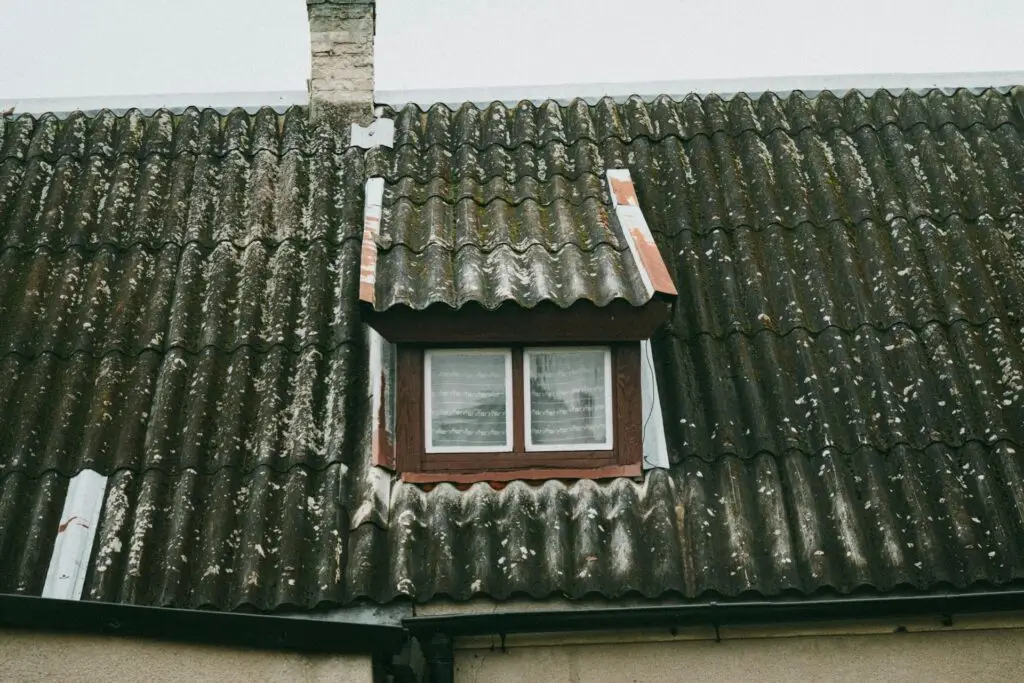
- For any substantial asbestos removal (especially friable ACM), always engage a licensed asbestos removalist. Friable asbestos — which crumbles easily under hand pressure — is especially hazardous. EPA Victoria+2asbestos.vic.gov.au+2
- For industrial/commercial asbestos waste transport: ensure the transporter has the required permits, uses official tracking (Waste Tracker), and provides the legally required waste movement records. EPA Victoria+1
3. Safe Containment — Packaging & Labelling
- Asbestos waste (including contaminated dust, off-cuts, PPE, waste sheeting etc.) must be double wrapped (e.g. two layers of heavy-duty 200 µm plastic) or placed in heavy-duty asbestos waste bags. Bags/sheets must be sealed properly (goose-necked and taped), only half-filled to allow safe sealing, and labelled clearly (e.g. “ASBESTOS WASTE – DO NOT OPEN”). Safe Work Australia+2Asbestos Safety+2
- Keep materials damp during removal and packaging to minimise airborne dust. Safe Work Australia+1
- All contaminated PPE, rags, protective sheeting — everything used in the asbestos removal process — must be treated as asbestos waste. Asbestos Safety+1
4. Transport & Disposal to Licensed Facilities Only
- Transport containers must be secure, with packaging intact throughout transport and unloading. Any damaged container must be replaced or repaired before disposal. asbestos.vic.gov.au+1
- Dispose of asbestos at a landfill or facility explicitly licensed to accept asbestos waste. For industrial waste, ensure the disposal site accepts reportable priority waste and that a valid waste record is produced. EPA Victoria+1
- Asbestos-contaminated soil should follow the same stringent rules: dampening before packaging, double-lining, sealed, labelled, and transported to a licensed facility. Temporary storage (if necessary) should be secure, signposted, and away from sensitive land uses. WorkSafe Victoria+1
5. Decontamination & Site Clean-Up
- After ACM removal, thoroughly clean all surfaces: use wet wiping (or equivalent dust-suppression wipe method) rather than dry sweeping. asbestos.qld.gov.au+1
- Clean or dispose of all tools, PPE, and materials used — contaminated gear must be bagged appropriately or decontaminated before reuse. Asbestos Safety+1
- Inspect the site to ensure no visible asbestos dust remains, and confirm surfaces are clean before reoccupation or further work. Asbestos Safety+1
Why 888 Waste Should Prioritize Strict Asbestos Waste Protocols
For a waste company operating in Melbourne, rigorous asbestos waste practices deliver several advantages:
- Legal compliance & risk management — adhering to regulatory requirements avoids penalties and liability, and protects the company’s license to operate.
- Worker safety & public health — reduces the risk of asbestos fibre exposure for staff, subcontractors, clients, and the community.
- Reputation and trust — clients increasingly expect waste management providers to be professional, responsible, and compliant; managing asbestos correctly builds credibility.
- Environmental responsibility — ensures asbestos isn’t illegally dumped or improperly managed, protecting soil, air, and communities from long-term contamination.
Recommendations for Implementation at 888 Waste
- Maintain a list of licensed asbestos removalists and transporters, and use them for all asbestos-related jobs.
- Develop or adopt an internal asbestos management plan — covering identification (site surveys), safe removal procedures, waste packaging, transport logistics, disposal verification, and site decontamination.
- Train staff on asbestos risks, safe handling, PPE use, packaging & labelling, transport protocols, and onsite cleanup procedures.
- Always verify that disposal sites are licensed to accept asbestos before scheduling transport — call ahead, book timeslots, and confirm waste acceptance protocols.
- Keep thorough records of all asbestos waste movements (waste tracking, disposal receipts, waste records), for compliance, audit, and insurance purposes.
Conclusion
Asbestos waste is one of the most hazardous materials a waste management company can handle. For 888 Waste — and indeed any responsible waste operator in Melbourne — the stakes are high: the health of workers, clients, and the community; compliance with environmental and workplace laws; and the company’s reputation.
By following these best practices — identifying asbestos properly; using licensed professionals; packaging, transporting and disposing waste only at licensed facilities; and enforcing strict decontamination and record-keeping — 888 Waste can ensure it manages asbestos waste safely, legally and responsibly.