SAFE, COMPLIANT HAZARDOUS WASTE REMOVAL

Asbestos, chemicals, contaminated soils, and more.

Request a Call Back

We will call you back in 30 minutes
> Today at

HAZARDOUS WASTE DISPOSAL

EPA-COMPLIANT SERVICES BY 888 WASTE

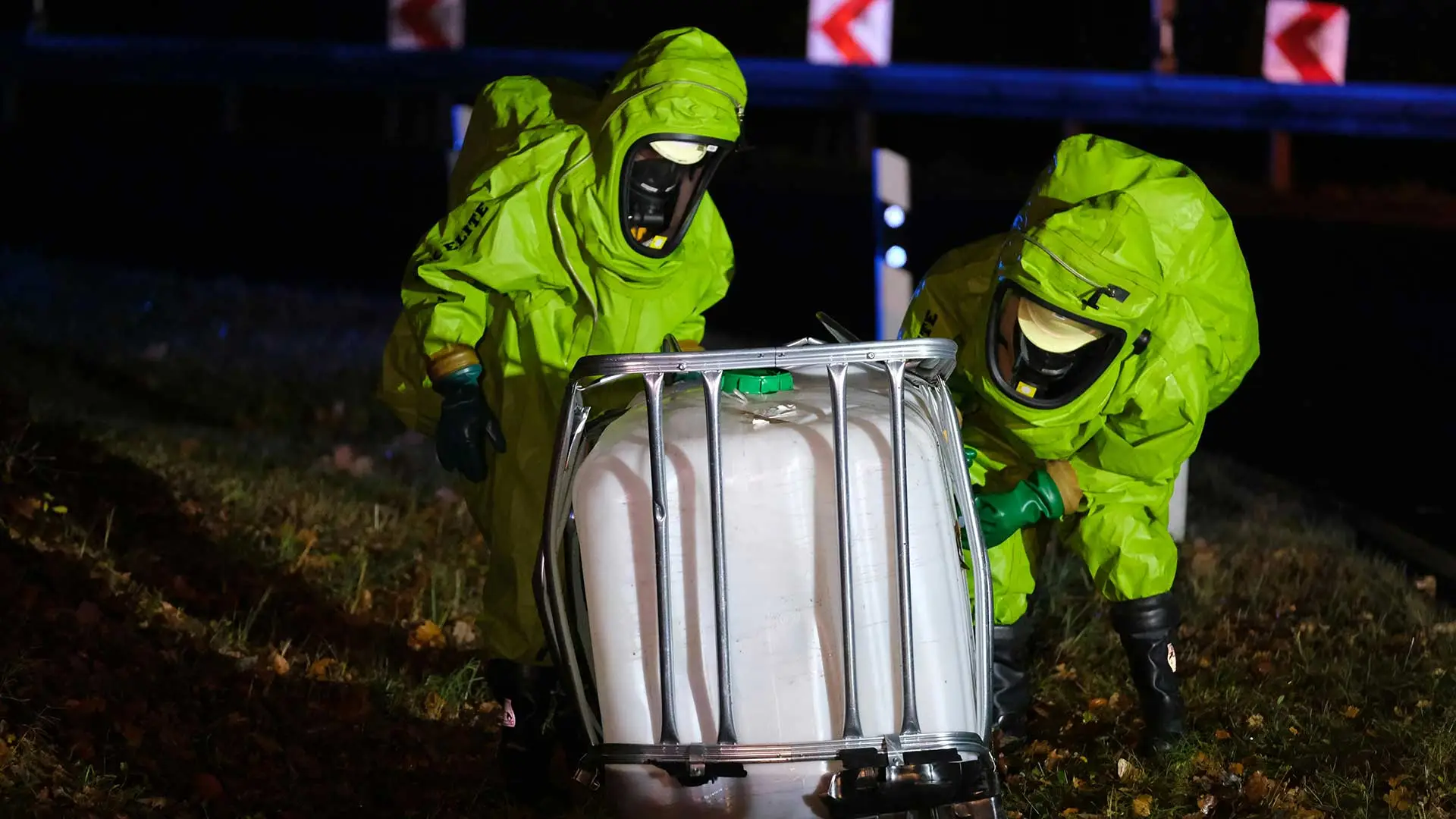
888 Waste is Melbourne’s trusted specialist in hazardous waste collection and disposal. We handle acids, solvents, asbestos, contaminated soils, and more – all in strict accordance with EPA regulations. Our trained team uses industry-best equipment to ensure every job is completed safely and efficiently.

TYPES OF HAZARDOUS WASTE WE HANDLE

Waste Codes as per ViCtorian EPA

Cyanides

Codes 1-3 & 74
Cyanides are chemically converted into far less toxic compounds under tightly controlled conditions. Oxidation, being teh most common approach.

Acids

Codes 4
Most acids are treated by careful chemical neutralization to bring the pH into a safe range.

Alkaline wastes

Code 5
Treatment varies, but they are often mixedwith binding agents to form a stable solid.

Inorganic chemicals

Codes 6 - 31
The treament varies depending on the chemical. The most common approaches are neutralization for corrosive acids or bases, oxidation or reduction to destroy or stabilize reactive species or precipitation to remove dissolved metals as insoluble solids

Reactive Chemicals

Code 32
Most reactive wastes are first chemically rendered non-reactive using controlled dilution or by adding stabilizers or inhibitors. Some reactive chemicals are incinerated at high temperatures.

Paints, lacquers, varnish, resins, pigments, adhesives

Codes 33 -36
For many liquid paints, lacquers, and adhesives they are sent to solvent recovery facilities. Solvents are distilled and reused as industrial fuel or raw material.

Organic Solvents

Codes 37 - 40
Organic solvents are sent specialist solvent recycling facilities or purified by distillation or advanced separation.

Pesticides including herbicides and insecticides

Codes 41 -43
Depending on the pesticide or herbicide a number of different treatments are used. Hydrolysis or oxidation can be used to break down toxic molecules. Corrosive components can be neutralization. Combined with stabilisation to prevent future reactions.

Oils, hydrocarbons and emulsions

Codes 45 - 49
Cleaned or moderately contaminated used oils are often filtered and dehydrated, treated to remove acids, metals, and sludge and re-refined into base oils, lubricants, or industrial products.

Putrescible / organic wastes

Codes 50 -63
Waste is shredded and mixed to balance carbon/nitrogen ratios. They are then processed via aerobic composting. Heat generated destroys pathogens and weed seeds. The end result is a stable compost used for soil improvement.

Industrial Wash Waters and Wastewaters

Codes 64 -66
Depending on composition, chemical treatment may include; pH adjustment, coagulation/flocculation to aggregate fine particles or heavy metals. Oxidation/reduction to degrade toxic organics or remove cyanides, sulfides, or other reactive compounds.

Organic chemicals

Codes 67 - 79 (not 74)
Many organic chemicals can be reclaimed for industrial reuse: distillation separates pure solvents from water or contaminants, filtration, drying, or adsorption removes particulates and trace impurities. Recovered solvents are reused as raw material or industrial fuel

Solid and sludge wastes requiring special handling

Codes 80 - 93
For sludges and wet solids: mechanical dewatering (centrifuges, belt presses) reduces moisture content. Large solids may be shredded, screened, or homogenised. Water separated in this step is sent for industrial wastewater treatment.

Category B - Most Hazardous

OUR PROCESS

From the initial discovery call to final EPA-compliant disposal, our 8-step process ensures safe, efficient, and transparent waste handling.
Clients receive full documentation and tracking for their records.

1. IDENTIFICATION & CLASSIFICATION

  • Identify the type of specialist waste: e.g., medical waste, chemical waste, electronic waste, asbestos, radioactive waste, etc.

  • Classify according to regulations: Use local/national legislation (e.g., EPA, EU Waste Framework Directive, or national hazardous waste lists).

  • Check labeling: Ensure containers are clearly marked with the type of waste and hazard symbols.


2. SEGREGATION & COLLECTION

  • Separate from general waste: Specialist waste should never mix with municipal or non-hazardous waste.

  • Use appropriate containers: Leak-proof, fire-resistant, puncture-resistant, or chemically compatible containers.

  • Maintain containment records: Track batch numbers, quantities, and origin.


3. STORAGE

  • Designated storage areas: Specialist waste should be stored in secure, labeled areas.

  • Follow safety guidelines: Include ventilation, spill containment, fire prevention, and restricted access.

  • Time limits: Store only for the legally allowed duration before treatment or disposal.


4. TRANSPORTATION

  • Use licensed carriers: Only certified companies can transport specialist waste.

  • Follow proper documentation: Include waste transfer notes, manifests, and transport permits.

  • Safe handling procedures: Avoid spillage, exposure, or mixing with other waste types.


5. TREATMENT & PROCESSING

  • Choose suitable treatment methods based on waste type:

    • Chemical neutralization (for acids/bases)

    • Incineration (for infectious or chemical waste)

    • Autoclaving (for medical waste)

    • Recycling or recovery (for e-waste, metals, solvents)

    • Stabilization/solidification (for heavy metals)

  • Ensure compliance: Follow local environmental and health regulations.


6. DISPOSAL

  • Final disposal must be safe and legal:

    • Landfill with appropriate liners for non-recyclable hazardous solids

    • Controlled incineration with emissions control

    • Specialized chemical neutralization pits or facilities

  • Document disposal: Maintain records for audits and regulatory compliance.


7. RECORD KEEPING & REPORTING

  • Maintain logs: Quantity, type, source, treatment, and disposal.

  • Regulatory reporting: Submit required reports to environmental authorities.

  • Audit & review: Regular checks to ensure procedures are followed.


8. STAFF TRAINING & SAFETY

  • Train staff on hazards, PPE usage, emergency procedures, and waste handling protocols.

  • Provide safety equipment: Gloves, goggles, respirators, and spill kits.

INDUSTRIES WE SERVE

Our hazardous waste services are trusted by construction companies, industrial manufacturers, government agencies, and commercial facilities across Melbourne.
WHY CHOOSE US FOR HAZARDOUS WASTE REMOVAL?

EPA-compliant

Trained and licensed operators

Transparent documentation and waste tracking

Fast response for urgent or high-risk jobs

Let's Work
Together